
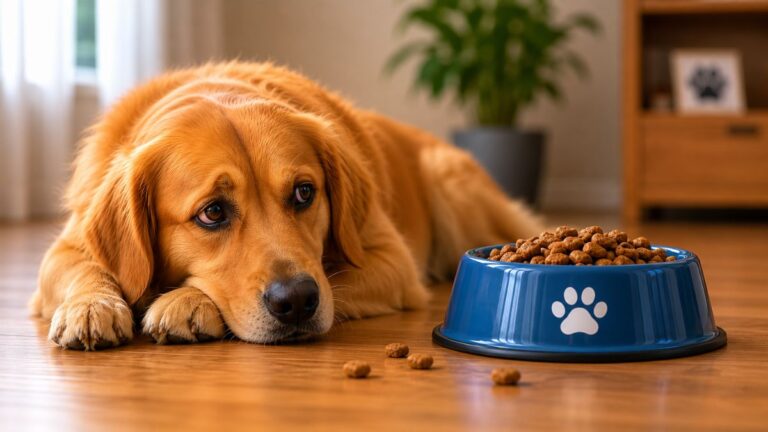
You might be harming your dog without even realizing it – and in many cases, the problem starts with what’s in their bowl.
For a lot of dog owners, food is one of the main ways we show love. Sharing a bite from your plate, offering extra treats, or giving a little more food “just because” can feel like a kind gesture. But over time, these habits can do more harm than good.
Your dog’s diet plays a huge role in their overall health. It affects their weight, energy levels, digestion, behavior, and even how long they live. Small, everyday mistakes – especially when repeated – can lead to obesity, nutritional imbalances, and serious health issues like pancreatitis or organ problems.
In fact, many health issues that owners notice later can often be traced back to feeding habits and nutritional choices. Learn which warning signs to watch for in 7 Signs Your Dog Is Sick (Don’t Ignore Them).
The tricky part is that many of these mistakes are incredibly common. Most people don’t even realize they’re doing anything wrong.
The good news? Once you understand what to avoid, it’s usually easy to make better choices.
If you want your dog to live a longer, healthier, and more active life, it’s essential to get their nutrition right. In this guide, you’ll discover the 7 most common dog feeding mistakes – and exactly how to fix them in a practical, realistic way.
1. Feeding Human Food Too Often
Why it’s a problem
It’s hard to resist those pleading eyes at the dinner table. But feeding your dog human food on a regular basis can create real problems.
Most human meals are packed with salt, oils, seasonings, and ingredients that dogs aren’t built to process. Over time, this can lead to weight gain, digestive issues, and even more serious conditions like pancreatitis.
On top of that, regularly sharing food can encourage begging behavior, making mealtime more stressful for both you and your dog.
What to do
- Avoid feeding table scraps, even in small amounts.
- Stick to high-quality dog food that meets your dog’s nutritional needs.
- Create a consistent feeding routine with set meal times.
If you’re not sure how to evaluate dog food quality, start with our guide on How to Choose the Best Dog Food for Your Dog.
Consistency not only supports your dog’s health – it also helps reinforce good behavior.
2. Giving Toxic Foods Without Knowing
Why it’s a problem
One of the biggest dangers in dog nutrition is accidental exposure to toxic foods. Many everyday items that are perfectly safe for humans can be extremely harmful to dogs – even in small quantities.
The problem is that a lot of dog owners simply aren’t aware of these risks.
Common dangerous foods include:
- Chocolate
- Grapes and raisins
- Onions and garlic
- Avocado
- Alcohol
These foods can affect your dog’s nervous system, digestive system, and vital organs like the liver and kidneys. In some cases, ingestion can become a medical emergency.
Learn what symptoms should never be ignored in 7 Signs Your Dog Is Sick (Don’t Ignore Them).
What to do
- Learn which foods are toxic to dogs.
- Keep these items out of reach at all times.
- Make sure everyone in your household understands what not to feed your dog.
Prevention is everything here – a little awareness can avoid serious accidents.
3. Overfeeding Treats
Why it’s a problem
Treats are useful – especially for training and rewarding good behavior. But they can quickly become a problem if overused.
Most treats are high in calories and don’t offer the same nutritional balance as regular dog food. Giving too many can lead to weight gain, disrupt your dog’s diet, and even reduce their appetite for proper meals.
It’s easy to underestimate how quickly those extra calories add up.
What to do
- Keep treats to no more than about 10% of your dog’s daily calorie intake.
- Use treats as rewards, not as a regular part of meals.
- Look for healthier, lower-calorie options.
When used correctly, treats are a tool – not a substitute for balanced nutrition.
4. Not Measuring Food Portions
Why it’s a problem
Feeding your dog “by eye” might seem convenient, but it’s rarely accurate. Even small overestimations can lead to gradual weight gain over time.
On the other hand, underfeeding can result in nutritional deficiencies and low energy levels.
Every dog has different needs depending on their size, age, activity level, and metabolism – which makes portion control essential.
What to do
- Follow the feeding guidelines on your dog food packaging.
- Adjust portions based on your dog’s individual needs.
- Use a measuring cup or scale for consistency.
Getting the portion size right is one of the simplest ways to support your dog’s health.
5. Switching Food Too Quickly
Why it’s a problem
Dogs have sensitive digestive systems, and sudden changes in diet can throw things off quickly.
Switching from one food to another overnight can lead to vomiting, diarrhea, gas, and general discomfort. Even if the new food is better quality, the transition still needs to be gradual.
What to do
- Transition to new food over 7-10 days.
- Slowly mix increasing amounts of the new food with the old.
- Watch for any signs of digestive upset.
A slow transition helps your dog adjust comfortably and reduces the risk of issues.
6. Giving Unsafe Bones
Why it’s a problem
There’s a common belief that giving dogs bones is natural and beneficial – but not all bones are safe.
Cooked bones, in particular, are dangerous because they can splinter easily. These sharp fragments can cause choking, damage the mouth or throat, and even lead to serious internal injuries or blockages.
What to do
- Avoid giving cooked bones entirely.
- Offer safe, durable chew toys instead.
- Consult your veterinarian before introducing any type of bone.
When it comes to chewing, safety should always come first.
7. Ignoring Water Intake
Why it’s a problem
Water is just as important as food when it comes to your dog’s health. Proper hydration supports digestion, circulation, temperature regulation, and overall body function.
If your dog doesn’t have consistent access to clean, fresh water, they may become dehydrated – which can lead to serious health complications.
Sometimes, reduced water intake can also be a sign of an underlying issue.
What to do
- Provide fresh, clean water at all times.
- Wash your dog’s water bowl daily.
- Pay attention to how much your dog is drinking.
Hydration might seem basic, but it plays a critical role in your dog’s well-being.
Conclusion
When it comes to your dog’s health, nutrition is one of the most powerful factors you can control.
The reality is that many feeding mistakes don’t look like mistakes at all – they often come from love, routine, or lack of information. But over time, they can have a serious impact on your dog’s quality of life.
The good news is that you don’t need to overhaul everything overnight.
Start by taking a closer look at your dog’s current feeding routine. Are you measuring portions? Limiting treats? Avoiding harmful foods? Providing enough water?
For a broader look at everyday habits that impact your dog’s well-being, see Stop Making These 7 Dog Care Mistakes.
Pick one habit to improve and focus on that first. Then build from there.
Small, consistent changes can lead to big results.
Your dog may not understand exactly what you’ve changed – but you’ll see the difference. More energy, better digestion, a healthier weight, and a happier life overall.
And in the end, that’s what really matters: giving your dog the best life possible, one good choice at a time.

Daniel Carter is a pet writer who enjoys sharing practical tips on dog and cat care. With a strong interest in pet health, behavior, and nutrition, he creates easy-to-understand content that helps pet owners give their furry companions the best possible life.