

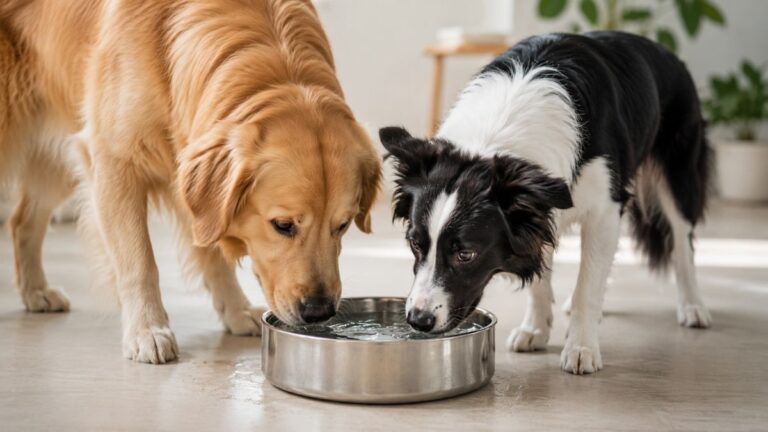
If you’ve ever taken your dog to a park, outdoor café, pet-friendly store, or community event, you’ve probably seen a shared water bowl sitting nearby.
At first glance, it seems like a thoughtful gesture. After all, dogs need access to fresh water, especially on hot days or after physical activity. When your dog looks thirsty, letting them take a quick drink from a communal bowl can feel like the obvious choice.
But have you ever stopped to wonder whether it’s actually safe?
The truth is that shared water bowls can expose dogs to bacteria, viruses, parasites, and other health risks that many pet owners never think about. While not every communal water bowl is dangerous, understanding the potential risks can help you make better decisions about your dog’s health.
The good news is that you don’t need to become paranoid every time you leave the house with your dog. A little awareness and a few simple precautions can significantly reduce the chances of your pet becoming sick.
In this guide, we’ll take a closer look at the benefits and risks of shared water bowls, the illnesses they may spread, and the safest ways to keep your dog hydrated while you’re on the go.
Why Water Is So Important for Dogs
Before discussing shared water bowls specifically, it’s important to understand why hydration matters so much.
Water plays a critical role in nearly every function of a dog’s body. It helps regulate body temperature, supports digestion, transports nutrients, lubricates joints, and removes waste products.
Even mild dehydration can affect your dog’s energy levels and overall well-being.
Some common signs of dehydration include:
- Dry gums.
- Excessive panting.
- Lethargy.
- Sunken eyes.
- Reduced appetite.
- Loss of skin elasticity.
Because of this, preventing dehydration should always remain a priority, even when you’re away from home.
Changes in energy, appetite, or behavior can sometimes be early warning signs of an underlying health issue. If you’re unsure whether your dog’s symptoms are normal, read our guide on 7 Signs Your Dog Is Sick (Don’t Ignore Them).
Can Dogs Safely Share Water Bowls?
The answer isn’t completely black and white.
Many dogs drink from shared water bowls without ever developing health problems. However, every time multiple animals use the same bowl, there is a possibility of disease transmission.
The level of risk depends on several factors:
- How often the bowl is cleaned.
- How many dogs use it.
- The health status of those dogs.
- The surrounding environment.
- The quality of the water.
While a clean bowl that is regularly maintained presents less risk, public bowls are often impossible to monitor.
That’s where potential problems begin.
What Can Dogs Catch From Shared Water Bowls?
One of the biggest concerns with communal water bowls is contamination.
When multiple dogs drink from the same source, saliva, mucus, dirt, and microorganisms can easily accumulate.
Kennel Cough
Kennel cough is one of the most common illnesses spread between dogs.
This highly contagious respiratory infection can spread through direct contact, airborne droplets, and contaminated surfaces.
A dog carrying the infection may leave bacteria or viruses behind in a shared water bowl, potentially exposing the next dog that drinks from it.
Common symptoms include:
- Persistent coughing.
- Sneezing.
- Nasal discharge.
- Reduced energy.
Gastrointestinal Infections
Shared water bowls can also harbor bacteria that affect the digestive system.
These infections may cause:
- Vomiting.
- Diarrhea.
- Loss of appetite.
- Stomach discomfort.
Digestive problems that persist for more than a day should never be ignored, especially when they’re accompanied by changes in appetite or energy.
Puppies, senior dogs, and dogs with weakened immune systems are especially vulnerable.
Parasites
Public spaces frequently visited by dogs may contain parasites in the environment.
Contaminated water bowls can sometimes become a source of exposure to parasites such as:
- Giardia.
- Roundworms.
- Hookworms.
These organisms can cause digestive issues and may require veterinary treatment.
Leptospirosis
Leptospirosis is a bacterial disease that can affect both animals and humans.
It spreads through contaminated water and urine from infected animals.
Although the risk varies depending on location, it remains another reason why water hygiene matters.
Why Public Water Bowls Can Be Problematic
Many communal water bowls are placed outdoors where they are exposed to environmental contamination.
Dirt and Debris
Leaves, soil, insects, dust, and debris frequently enter outdoor bowls.
These materials can introduce bacteria and other microorganisms into the water.
Standing Water
Water that sits for long periods without being replaced becomes a more favorable environment for bacterial growth.
Warm temperatures can make the problem even worse.
Unknown Cleaning Practices
One of the biggest concerns is that you rarely know how often a public bowl is cleaned.
Some businesses and parks clean them daily.
Others may go days without proper sanitation.
As a pet owner, it’s impossible to know the history of every shared bowl your dog encounters.
Dogs With Higher Risk Should Avoid Shared Bowls
While healthy adult dogs may sometimes tolerate exposure without issue, certain dogs face higher risks.
Puppies
Young puppies have developing immune systems and are generally more susceptible to infections.
Senior Dogs
Older dogs may have weakened immune defenses that make them more vulnerable to illness.
Dogs With Medical Conditions
Dogs suffering from chronic diseases, cancer, autoimmune disorders, or other health conditions may have difficulty fighting infections.
Dogs Recovering From Illness
If your dog is currently recovering from an infection or medical procedure, avoiding unnecessary exposure is usually a wise decision.
It’s also important to monitor closely for any unusual symptoms during the recovery process.
Behavioral Issues Around Shared Water Bowls
Health concerns aren’t the only issue.
Behavior can also become a problem.
Some dogs become protective of resources such as food, toys, or water.
This behavior is known as resource guarding.
Signs of Resource Guarding
- Growling.
- Stiff body posture.
- Snapping.
- Blocking access to the bowl.
- Aggressive behavior toward other dogs.
In busy environments like dog parks, a communal water bowl can become a source of conflict.
Even friendly dogs may react differently when they feel the need to protect a resource.
What About Dogs Living in the Same Home?
Many dog owners wonder whether dogs in the same household can safely share a water bowl.
In most cases, the answer is yes.
Dogs that live together are already regularly exposed to each other’s saliva and germs.
However, there are exceptions.
Separate Bowls Are Better When a Dog Is Sick
If one dog develops symptoms such as:
- Coughing
- Sneezing
- Runny nose
- Vomiting
- Diarrhea
It’s usually a good idea to provide separate bowls until the illness has resolved.
This can help reduce the risk of spreading infections to other pets in the home.
The Safest Way to Keep Your Dog Hydrated
Fortunately, protecting your dog is relatively simple.
Bring Your Own Water
The safest option is to carry fresh water whenever you’re away from home.
Many portable water bottles designed specifically for dogs make this easy.
Use a Portable Bowl
Collapsible silicone bowls are lightweight, inexpensive, and easy to carry.
They allow your dog to drink safely without sharing water with unknown animals.
Refresh Water Frequently
Even your own portable bowl should be cleaned and refilled regularly.
Fresh water is always better than water that has been sitting for hours.
How Often Should Dog Water Bowls Be Cleaned?
Many people underestimate how quickly bacteria can accumulate inside pet bowls.
Ideally, water bowls should be washed daily using warm water and pet-safe soap.
For households with multiple pets, more frequent cleaning may be beneficial.
Stainless steel bowls are often considered one of the best options because they are durable, easy to sanitize, and resistant to bacterial buildup.
When Shared Water Bowls May Be Acceptable
While bringing your own water remains the safest choice, there may be situations where a communal bowl appears reasonably safe.
For example:
- The water looks fresh.
- The bowl appears clean.
- The facility regularly sanitizes pet areas.
- There are few dogs present.
- No signs of contamination are visible.
Even then, it’s important to remember that some risk still exists because you cannot know the health status of every dog that has used the bowl.
Conclusion
Shared water bowls might seem harmless, but they can expose dogs to a variety of health risks ranging from mild digestive upset to contagious illnesses and parasites.
That doesn’t mean every public water bowl is dangerous, nor does it mean your dog will automatically become sick after taking a drink. However, understanding the potential risks allows you to make smarter choices for your pet.
Whenever possible, bringing your own clean water and a portable bowl remains the safest option. It’s a simple habit that can significantly reduce your dog’s exposure to bacteria, viruses, and parasites while ensuring they stay properly hydrated.
It’s also important to pay attention to your dog’s individual needs. Puppies, senior dogs, dogs with weakened immune systems, and dogs recovering from illness may face greater risks when using communal water sources.
At the end of the day, hydration is essential – but so is prevention.
A little preparation before leaving home can help protect your dog’s health, avoid unnecessary veterinary visits, and give you peace of mind every time you head out together.

Emily Foster is a pet writer passionate about helping pet owners better understand and care for their dogs and cats. With a keen interest in pet health, behavior, nutrition, and everyday care, she creates informative and easy-to-read content designed to support the well-being of furry companions. Her goal is to provide practical, trustworthy advice that helps pets live happier, healthier lives.