

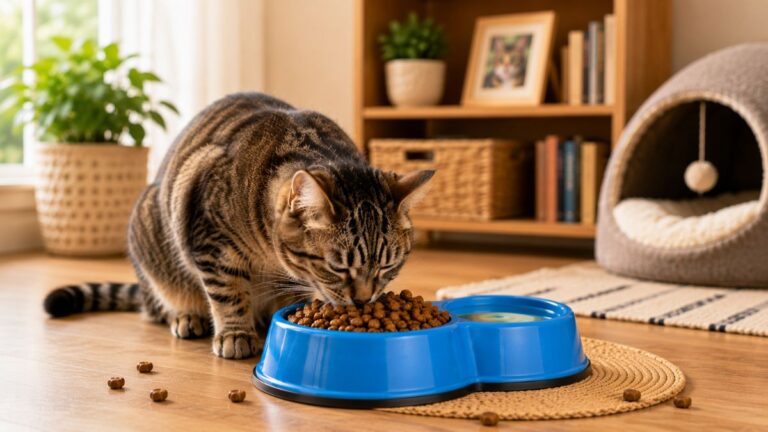
If you have a cat, you already know one thing: when it comes to food, they can be surprisingly picky.
You might bring home a new bag of cat food thinking it’s a great choice – only for your cat to sniff it and walk away like it doesn’t even exist. Other times, they seem to love a certain food… until suddenly, they don’t.
And that’s not random.
Cats have very specific dietary needs, and they’re often more sensitive to changes than we expect. What they eat affects much more than just whether they feel full. It impacts their energy, their coat, their digestion, and even their long-term health.
One detail many cat owners notice over time is how food shows up in everyday things – like shedding. If your cat is leaving fur all over the couch, your clothes, or the house, their diet could be part of the reason.
That’s why choosing the right food isn’t just about what your cat likes – it’s about what their body actually needs.
In fact, many everyday health and behavior issues can be traced back to nutrition. If you’d like to learn about other common mistakes cat owners make, check out Stop Making These 7 Cat Care Mistakes That Harm Your Pet.
The good news is, once you understand a few key points, the process becomes much easier.
Why Your Cat’s Diet Matters So Much
Cats are obligate carnivores, which means their bodies are designed to get nutrients mainly from animal protein.
Unlike some other animals, they don’t do well on diets that are too high in carbohydrates. And unfortunately, lower-quality cat foods often rely heavily on fillers like corn or soy.
Another important detail: cats naturally don’t drink a lot of water.
In the wild, they would get most of their hydration from their food. So when their diet doesn’t help with hydration, it can lead to issues over time – especially urinary and kidney problems.
This is why food choice plays such a big role in your cat’s overall health.
Excessive Shedding: What Food Has to Do With It
If your cat sheds a lot, their diet could be part of the problem.
Some shedding is normal, especially during seasonal changes. But if you notice more hair than usual, it’s worth paying attention.
👉 Low-quality cat food that doesn’t provide the nutrients your cat needs can lead to:
- Dull-looking fur.
- Weaker hair.
- More shedding than normal.
Healthy skin and coat depend on nutrients like omega-3, omega-6, zinc, and high-quality protein.
There are also formulas designed to help with hairball control and coat health, which can make a noticeable difference over time.
If you feel like you’re constantly dealing with cat hair everywhere, the food might be a good place to start.
Pay Attention to Your Cat’s Eating Habits
Before choosing a food, take a moment to observe your cat.
- Do they eat everything at once or throughout the day?
- Are they picky about texture or flavor?
- Do they get bored of the same food easily?
- Do they seem excited to eat – or just eat out of habit?
Cats often prefer consistency, so sudden changes can cause them to reject a new food.
If you plan to switch, do it gradually by mixing the new food with the old one over several days.
Dry Food vs. Wet Food: Which Is Better?
This is one of the most common questions.
Dry Food (Kibble)
- Convenient and easy to store.
- Helps with dental maintenance.
- More budget-friendly.
Wet Food (Cans or Pouches)
- High moisture content.
- Supports hydration.
- Usually more appealing to cats.
Ideally, many cat owners use a combination of both.
Dry food can be the main source, while wet food helps increase water intake – especially important for cats who don’t drink much.
Learn How to Read the Label
This step can completely change how you choose cat food.
Ingredients are listed by weight, meaning the first few ingredients make up most of the product.
For cats, you want to see animal protein at the top of the list, such as:
- Chicken
- Beef
- Fish
- Meat meal
If the first ingredients are mostly corn, wheat, or plant-based fillers, that’s usually a sign of lower quality.
Also, look for key nutrients like taurine, which is essential for cats and must be included in their diet.
Don’t Be Fooled by Appearance
Some cat foods are colorful or have different shapes that look appealing – but that’s mostly for the human eye.
Cats don’t care about color.
Artificial dyes and unnecessary additives don’t provide real benefits and can sometimes do more harm than good.
Whenever possible, go for simpler, more natural-looking formulas.
Consider Your Cat’s Life Stage
Your cat’s age plays a big role in what they need.
- Kittens need more calories and nutrients for growth.
- Adult cats need balanced maintenance.
- Senior cats may need easier digestion and specific support.
Also, neutered or spayed cats tend to gain weight more easily, so their diet may need to be adjusted accordingly.
Signs That the Food Is Working
Once you choose a food, watch how your cat responds.
Good signs include:
- A soft, shiny coat.
- Less excessive shedding.
- Healthy digestion.
- Good energy levels.
- Stable weight.
These are all indicators that the food is doing its job.
When to Choose Specialized Food
In some cases, it’s worth considering formulas designed for specific needs:
- Hairball control.
- Indoor cats.
- Weight management.
- Sensitive stomach.
- Urinary health.
These options can help address specific concerns and improve your cat’s comfort.
Simple Tips That Make a Difference
To keep things easy, remember:
- Choose food with animal protein as the main ingredient.
- Avoid unnecessary artificial additives.
- Consider your cat’s age and lifestyle.
- Pay attention to how your cat reacts.
- Don’t choose based only on price or packaging.
Conclusion
Choosing the best food for your cat doesn’t have to be overwhelming – but it does require a bit of attention.
Once you understand what really matters, you’ll feel more confident and make better choices without relying on marketing claims.
And your cat will show you the results.
A good diet can improve their coat, reduce shedding, support digestion, and help them stay active and healthy over time.
It’s also important to remember that your cat’s needs can change. What works now might need adjustment later – and that’s completely normal.
The goal isn’t to find a “perfect” food.
The goal is to find what works best for your cat right now.
Because in the end…
Feeding your cat well is one of the simplest – and most meaningful – ways to care for them and support a long, healthy life.

Emily Foster is a pet writer passionate about helping pet owners better understand and care for their dogs and cats. With a keen interest in pet health, behavior, nutrition, and everyday care, she creates informative and easy-to-read content designed to support the well-being of furry companions. Her goal is to provide practical, trustworthy advice that helps pets live happier, healthier lives.