

For people, fireworks are often associated with celebration, excitement, and memorable events. Whether it’s Independence Day, New Year’s Eve, sporting victories, or local festivals, fireworks are a common part of many traditions.
For dogs, however, fireworks can be a completely different experience.
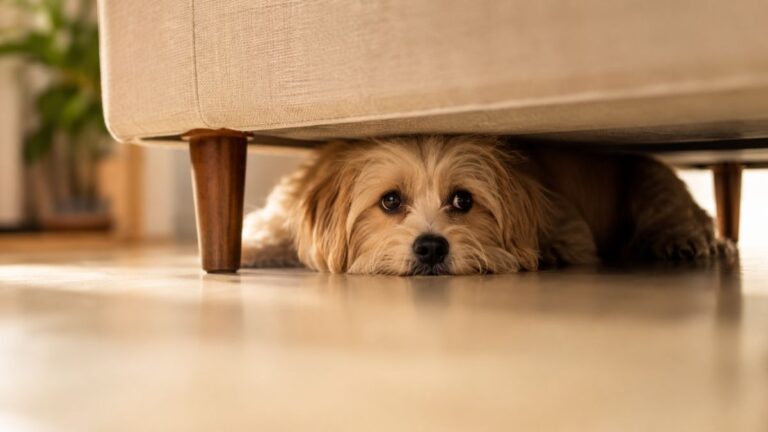
While humans may enjoy the colorful displays and loud explosions, many dogs react with fear, anxiety, and even panic. Some hide under beds or furniture, while others tremble, bark excessively, pace around the house, or desperately try to escape.
If your dog becomes frightened whenever fireworks begin, you’re certainly not alone. Fear of fireworks is one of the most common noise-related phobias in dogs. Understanding why dogs react this way can help you take the right steps to keep them comfortable and safe.
In this guide, you’ll learn why dogs are afraid of fireworks, how to recognize the signs of stress, and what you can do to help your furry friend cope during loud celebrations.
Why Are Dogs Scared of Fireworks?
Dogs experience the world differently than humans do.
One of the biggest differences is their sense of hearing. A dog’s hearing is significantly more sensitive than ours, allowing them to detect sounds from much farther away and at frequencies people cannot hear.
When fireworks explode, dogs are exposed to:
- Extremely loud noises.
- Sudden and unpredictable sounds.
- Vibrations in the environment.
- Bright flashes of light.
- Unfamiliar smells from smoke and explosives.
Unlike thunderstorms, which often provide some warning through changes in weather conditions, fireworks can start unexpectedly and continue for long periods of time.
Because dogs thrive on predictability and routine, these sudden disturbances can trigger their natural survival instincts.
From a dog’s perspective, the loud booms may feel like a genuine threat, causing them to seek safety or escape from danger.
Signs Your Dog Is Afraid of Fireworks
Not all dogs react to fireworks in the same way. Some display obvious signs of fear, while others show more subtle changes in behavior.
Common Signs of Fear
- Trembling or shaking.
- Excessive panting.
- Barking or whining.
- Pacing around the house.
- Hiding under furniture.
- Clinginess toward family members.
- Restlessness.
- Drooling more than usual.
- Dilated pupils.
Signs of Severe Anxiety
Some dogs experience extreme fear during fireworks.
In these situations, you may notice:
- Attempts to escape.
- Scratching doors or windows.
- Destructive chewing.
- Loss of appetite.
- Accidents indoors.
- Excessive licking or grooming.
- Aggressive behavior when approached.
If your dog displays severe symptoms, it’s important to take the situation seriously and seek professional guidance when necessary.
Why Some Dogs Are More Sensitive Than Others
You may know dogs that seem completely unfazed by fireworks, while others become terrified at the first distant boom.
Several factors influence how a dog reacts to loud noises.
Genetics
Some dogs naturally have more sensitive temperaments than others.
Early Experiences
Positive exposure to different sounds during puppyhood can help some dogs develop greater confidence later in life.
Personality
Just like people, dogs have individual personalities. Some are naturally bold and adaptable, while others are more cautious.
Previous Traumatic Events
A dog that has experienced a frightening event associated with loud noises may develop a stronger fear response over time.
Understanding your dog’s unique personality can help you determine the most effective coping strategies.
1. Create a Safe Space for Your Dog
One of the most effective ways to help a frightened dog is to provide a secure retreat.
Many dogs naturally look for enclosed spaces when they feel scared.
A safe space could be:
- A crate your dog enjoys using.
- A quiet bedroom.
- A walk-in closet.
- A cozy corner with blankets.
- A covered dog bed.
Place familiar items in the area, such as:
- Favorite toys
- Blankets
- Bedding
- Comfort items with familiar scents
Allow your dog to enter and leave freely. Never force them out if they choose to stay there.
The goal is to give them a place where they feel protected.
2. Stay With Your Dog and Offer Comfort
One of the most common myths about fearful dogs is that comforting them will somehow “reward” their fear.
This is not true.
Fear is an emotional response, not a behavior your dog chooses.
If your dog is scared, your presence can provide reassurance and security.
You can help by:
- Speaking calmly.
- Sitting nearby.
- Offering gentle petting if your dog enjoys it.
- Maintaining a relaxed demeanor.
- Avoiding sudden movements.
Think about how you would comfort a frightened child. Dogs also benefit from knowing someone they trust is there to support them.
3. Use Toys, Treats, and Mental Enrichment
Distraction can be a powerful tool during fireworks events.
Before the fireworks begin, prepare activities that your dog enjoys.
Good options include:
Food-Stuffed Toys
Interactive toys filled with treats or dog-safe foods can keep your dog occupied for long periods.
Long-Lasting Chews
Chewing naturally helps many dogs relax and release tension.
Snuffle Mats
These enrichment toys encourage dogs to use their sense of smell to find hidden treats.
Training Games
Simple trick-training sessions can redirect your dog’s attention and create positive experiences.
The goal is not to force your dog to ignore the fireworks but to give them alternative activities they enjoy.
4. Use White Noise or Calming Sounds
Many dogs benefit from background noise that helps mask the sound of fireworks.
You can try:
- White noise machines
- Fans
- Soft classical music
- Nature sounds
- Pet relaxation playlists
- Television at a moderate volume
Start playing these sounds before the fireworks begin.
This helps create a more consistent environment and reduces the contrast between silence and loud explosions.
5. Try Desensitization and Counterconditioning
For dogs that struggle with fireworks every year, long-term training can make a significant difference.
Desensitization and counterconditioning are commonly used by behavior professionals to help dogs become more comfortable around frightening sounds.
How It Works
- Play a fireworks recording at a very low volume.
- Offer treats, toys, or playtime.
- Repeat regularly.
- Gradually increase the volume over time.
- Always keep the experience positive.
The goal is to teach your dog that the sound predicts something enjoyable rather than something scary.
Progress should be slow and based on your dog’s comfort level.
What Not to Do
Certain actions can increase your dog’s anxiety and make the problem worse.
Avoid:
- Punishing fearful behavior.
- Yelling at your dog.
- Forcing them to face the noise.
- Leaving them alone during fireworks.
- Dragging them out of hiding places.
Remember that your dog is reacting out of fear, not disobedience.
Patience and understanding are essential.
Should You Consider Anxiety Products?
There are several products available that may help some dogs feel calmer.
These include:
- Pheromone diffusers.
- Calming supplements.
- Anxiety wraps.
- Relaxation aids recommended by veterinarians.
While some dogs respond well to these options, results vary from one pet to another.
These products are most effective when combined with behavior modification and environmental management.
When to Talk to a Veterinarian
If your dog’s fear is severe, professional support may be necessary.
A veterinarian or veterinary behaviorist can evaluate your dog’s condition and recommend an appropriate treatment plan.
In some cases, prescription medications may be helpful during predictable events such as New Year’s Eve or Independence Day celebrations.
Seeking help early can prevent the problem from becoming more severe over time.
Conclusion
Fireworks may be exciting for people, but for many dogs they can be overwhelming and frightening.
Understanding why dogs are afraid of fireworks is the first step toward helping them feel safer. By creating a secure environment, offering comfort, providing distractions, and using positive training techniques, you can significantly reduce your dog’s stress during noisy celebrations.
Every dog is different, so it may take some experimentation to discover what works best for your pet. The most important thing is to remain patient, supportive, and attentive to your dog’s needs.
With the right preparation and care, you can help your dog navigate fireworks season with far less fear and anxiety, making celebrations more manageable for everyone in the family.

Daniel Carter is a pet writer who enjoys sharing practical tips on dog and cat care. With a strong interest in pet health, behavior, and nutrition, he creates easy-to-understand content that helps pet owners give their furry companions the best possible life.